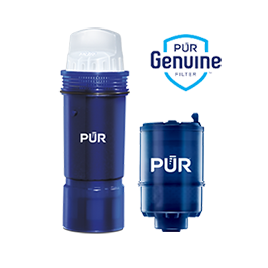
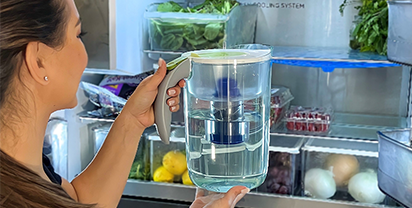
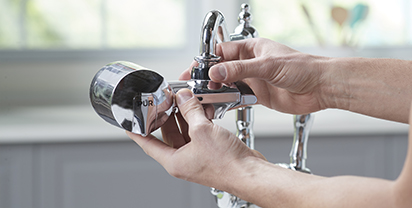
Contaminant Comparison Chart

For a complete list of contaminants that PUR filters reduce, please view our Performance Data Sheets here.


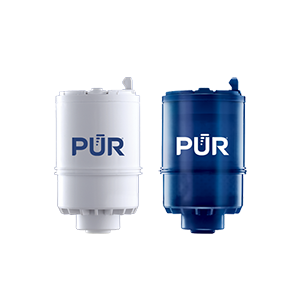
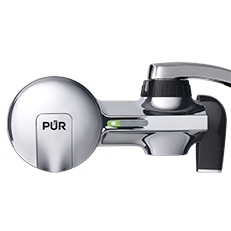
PUR & PUR PLUS FAUCET FILTERS
RF3375/RF9999

View Filters

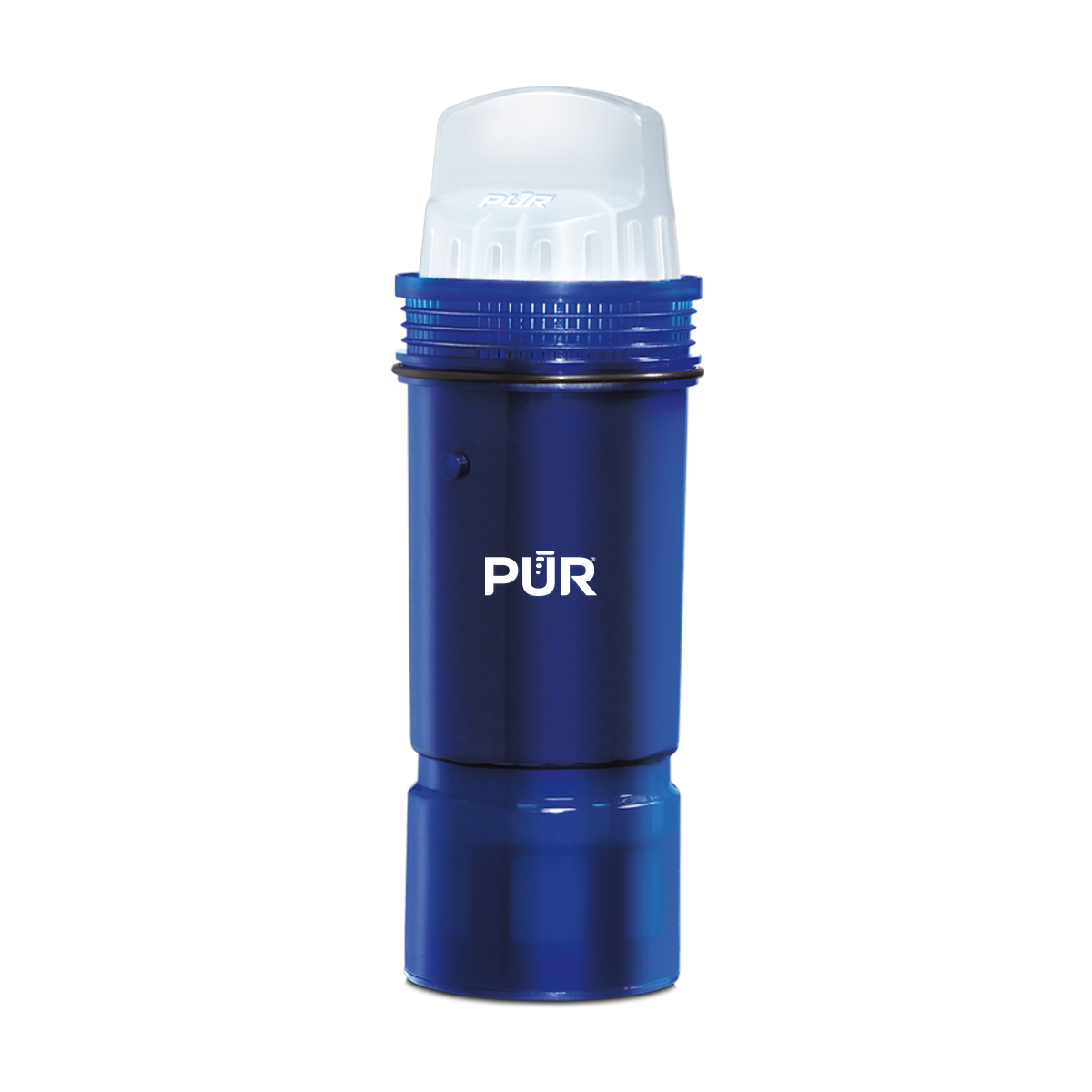
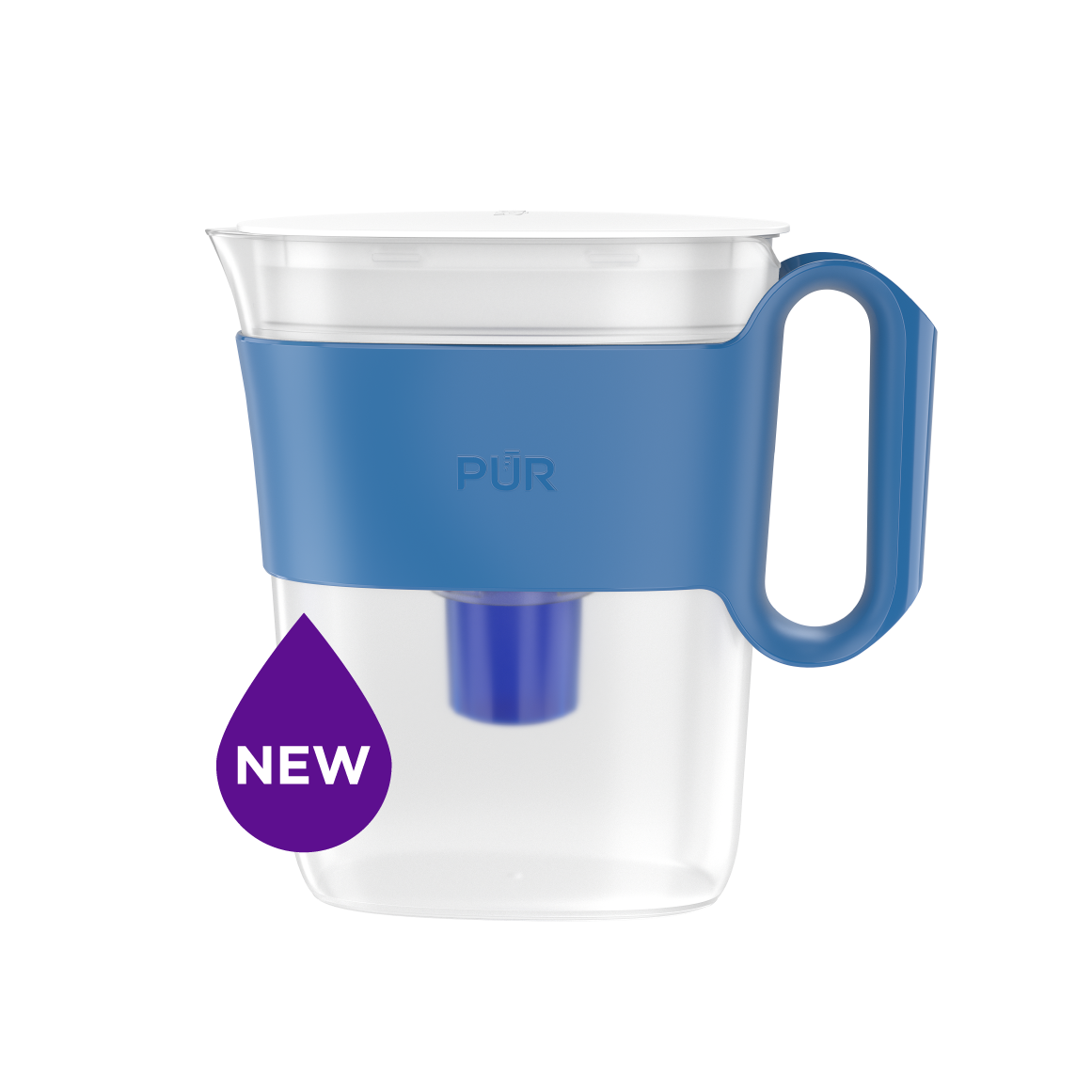
PUR PLUS PITCHER FILTERS
PPF951K

View Filter

PUR BASIC PITCHER FILTERS
PPF900Z

View Filter


Vs. Brita*

Lead ✓ ✓
Microplastics ✓ ✓
Mercury ✓ ✓ ✓
Chlorine Taste & Odor ✓ ✓ ✓
DEET ✓
TTHM ✓

PUR’s Filtration Systems Are Certified By NSF And WQA For Their Contamination Reduction. WQA certifications as of 5/27/21 for Faucet filter models RF-3375 and RF-9999.

¹ Certified to reduce 10X more chemical and physical substances than Brita’s® leading pitcher filter.
² Certified to reduce 3X more chemical and physical substances than Brita’s® leading pitcher filter.
³ Certified to reduce 2X more chemical and physical substances than Brita’s® leading pitcher filter.
*Versus best-selling Brita® pitcher filter OB03. Brita® is a trademark of Brita LP.
**Like other leading brands, PUR does not filter microbes. As of 3/1/23 Brita® and ZeroWater® were not certified to filter microbes. Brita® is a trademark of Brita LP. ZeroWater® is a trademark of Zero Technologies, LLC..
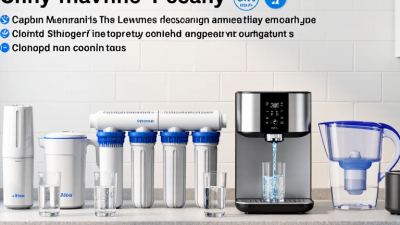
 

PUR & PUR PLUS FAUCET FILTERS


PUR & PUR PLUS FAUCET FILTERS
RF3375/RF9999

View Filters


Vs. Brita*

Lead ✓
Microplastics ✓
Mercury ✓
Chlorine Taste & Odor ✓
DEET ✓
TTHM ✓

PUR’s Filtration Systems Are Certified By NSF And WQA For Their Contamination Reduction. WQA certifications as of 5/27/21 for Faucet filter models RF-3375 and RF-9999.

¹ Certified to reduce 10X more chemical and physical substances than Brita’s® leading pitcher filter.
² Certified to reduce 3X more chemical and physical substances than Brita’s® leading pitcher filter.
³ Certified to reduce 2X more chemical and physical substances than Brita’s® leading pitcher filter.
*Versus best-selling Brita® pitcher filter OB03. Brita® is a trademark of Brita LP.
**Like other leading brands, PUR does not filter microbes. As of 3/1/23 Brita® and ZeroWater® were not certified to filter microbes. Brita® is a trademark of Brita LP. ZeroWater® is a trademark of Zero Technologies, LLC..
 

PUR PLUS PITCHER FILTERS


PUR PLUS PITCHER FILTERS
PPF951K

View Filter


Vs. Brita*

Lead ✓
Microplastics ✓
Mercury ✓
Chlorine Taste & Odor ✓
DEET
TTHM

PUR’s Filtration Systems Are Certified By NSF And WQA For Their Contamination Reduction. WQA certifications as of 5/27/21 for Faucet filter models RF-3375 and RF-9999.

¹ Certified to reduce 10X more chemical and physical substances than Brita’s® leading pitcher filter.
² Certified to reduce 3X more chemical and physical substances than Brita’s® leading pitcher filter.
³ Certified to reduce 2X more chemical and physical substances than Brita’s® leading pitcher filter.
*Versus best-selling Brita® pitcher filter OB03. Brita® is a trademark of Brita LP.
**Like other leading brands, PUR does not filter microbes. As of 3/1/23 Brita® and ZeroWater® were not certified to filter microbes. Brita® is a trademark of Brita LP. ZeroWater® is a trademark of Zero Technologies, LLC..
 

PUR BASIC PITCHER FILTERS


PUR BASIC PITCHER FILTERS
PPF900Z

View Filter


Vs. Brita*

Lead
Microplastics
Mercury ✓
Chlorine Taste & Odor ✓
DEET
TTHM

PUR’s Filtration Systems Are Certified By NSF And WQA For Their Contamination Reduction. WQA certifications as of 5/27/21 for Faucet filter models RF-3375 and RF-9999.

¹ Certified to reduce 10X more chemical and physical substances than Brita’s® leading pitcher filter.
² Certified to reduce 3X more chemical and physical substances than Brita’s® leading pitcher filter.
³ Certified to reduce 2X more chemical and physical substances than Brita’s® leading pitcher filter.
*Versus best-selling Brita® pitcher filter OB03. Brita® is a trademark of Brita LP.
**Like other leading brands, PUR does not filter microbes. As of 3/1/23 Brita® and ZeroWater® were not certified to filter microbes. Brita® is a trademark of Brita LP. ZeroWater® is a trademark of Zero Technologies, LLC..
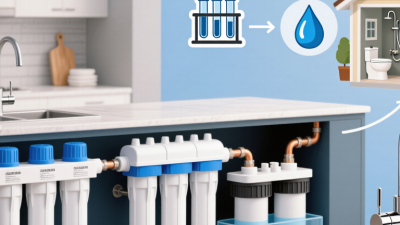
 

Why Choose a Countertop Water Filter?

Choosing a countertop water filter can make cleaner-tasting water easier to access without changing your plumbing. The unit sits beside the sink, where its connection and controls are usually easy to reach. For renters or households avoiding a permanent installation, that flexibility can matter. No drilling. No cabinet work. Many models connect to a faucet and provide filtered water on demand, though compatibility varies.

Convenience alone does not guarantee the right choice. A filter only reduces the contaminants named for its specific design, and performance depends on proper installation and timely cartridge replacement. Check the product’s independent certification claims, rated capacity, replacement schedule, and faucet requirements before buying. If your water has a known issue, compare those details with a recent water-quality report or ask a qualified water professional. Taste and odor can improve, but appearance is not proof that every concern has been addressed.

This guide looks at why people choose a countertop water filter, what to compare, and where expectations should stay realistic. It considers setup, maintenance, space, and the ongoing cost of replacement cartridges. A compact unit may fit neatly beside a kettle, yet still crowd a small sink. That trade-off is easy to miss in product photos. The best choice is not automatically the most expensive or popular model; it is one suited to your water, daily habits, and available counter space. Even then, filters need attention. A forgotten cartridge can undermine a good purchase.

Why Choose a Countertop Water Filter?

What a Countertop Water Filter Is and How It Works

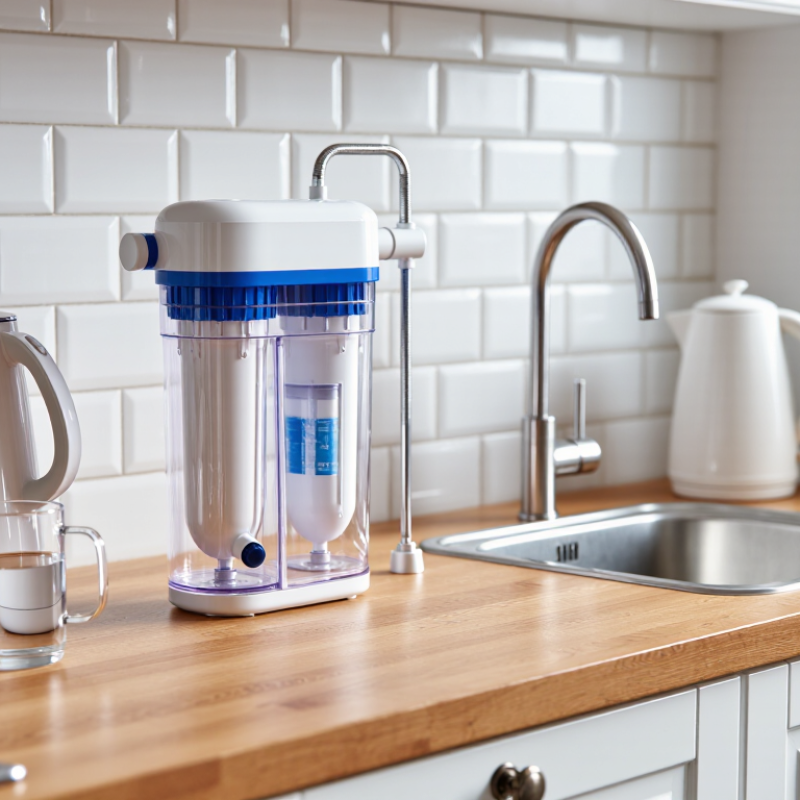
A countertop water filter sits beside the sink and treats water at the point of use. Many models connect to a faucet with a diverter valve; others use a reservoir you fill by hand. Water passes through one or more cartridges before reaching a separate spout or filtered-water chamber. A sediment layer can catch particles, while activated carbon can reduce certain tastes, odors, and contaminants. The exact result depends on the filter design.

Some systems use additional media for specific substances, but no countertop filter removes everything. Check independent certifications and the contaminants a filter is tested to reduce, rather than relying on broad claims. Similar-looking filters may perform differently. Flow can slow as a cartridge collects material, and a neglected cartridge may perform poorly. Replace it on schedule and follow the instructions for flushing a new cartridge. The details matter. Performance varies.

Tips: Before buying, compare filter size, faucet compatibility, replacement cost, and certified reduction claims. If your water source has a known issue, consult a current water-quality report. Filtration needs can differ from one home to another.

Which Contaminants Countertop Filters Can Reduce

A countertop water filter can reduce selected contaminants, but its performance depends on the filter media and independent testing. Many carbon filters improve taste and odor by reducing chlorine. Some certified models also reduce lead, certain volatile organic compounds, or specific PFAS compounds. Claims vary by model. Check certification against the exact contaminant you want to address, rather than relying on broad phrases such as “filters impurities.” Labels matter.

For example, a filter tested to NSF/ANSI 42 may reduce aesthetic impurities such as chlorine, while NSF/ANSI 53 covers certain health-related contaminants, including lead in qualifying products. These standards do not mean every filter removes every listed substance. Some systems use additional media for other specific reductions, but results depend on the model and test conditions. A filter also may not reduce dissolved salts, nitrates, or microbes unless its verified claims say so. It is easy to assume clearer water is cleaner water; appearance alone cannot confirm what has been removed. Follow the replacement schedule, too: an overdue cartridge may perform poorly, even when the water still tastes fine.

Why Choose a Countertop Water Filter? — Which Contaminants Countertop Filters Can Reduce

Contaminant or Category Examples How a Countertop Filter May Help What to Check
Chlorine and taste-related compounds Chlorine, unpleasant taste, and odor Many activated-carbon countertop filters can reduce chlorine and improve taste and odor. Look for a product claim tested or certified to NSF/ANSI 42 for the specific reduction claimed.
Particulates Fine particles and sediment Some filters use sediment or fine-particle filtration to reduce particles within their rated size range. Check the stated particle-size rating and whether the product has a verified particulate-reduction claim.
Lead and certain other health-related contaminants Lead; sometimes other listed metals or compounds Some countertop models are designed to reduce specific contaminants, but performance depends on the filter media and configuration. Look for NSF/ANSI 53 certification or independent test results that name the contaminant and reduction level.
Cysts and protozoan parasites Giardia and Cryptosporidium cysts Some filters with appropriately rated membranes or fine filtration can reduce cysts. Check for a specific cyst-reduction claim, such as one verified under NSF/ANSI 53; not every countertop filter provides it.
Volatile organic compounds (VOCs) Examples include certain solvents and fuel-related compounds Activated carbon can reduce some VOCs when the filter is designed and tested for them. Confirm that the exact VOCs of concern appear in the product’s verified reduction claims.
Selected emerging contaminants Some pharmaceuticals and other compounds included in applicable test protocols Certain filters are tested for reduction of selected compounds; results cannot be assumed for the entire category. Check for NSF/ANSI 401 certification or test results listing the specific substances covered.
Dissolved substances Depending on design, substances such as fluoride, nitrate, or total dissolved solids Countertop reverse-osmosis systems may reduce some dissolved substances. Performance varies by system and contaminant. Verify a contaminant-specific claim and the system’s applicable NSF/ANSI 58 certification or test data.
Bacteria and viruses Microorganisms that can cause illness Ordinary carbon filters should not be assumed to make microbiologically unsafe water safe. Specialized treatment may be required. Check for a specific microbiological-treatment claim and follow public-health guidance for the water source.

Important: Countertop filters differ in technology and performance. No filter reduces every contaminant, and certification applies only to the specific claims listed for that model. Review the product’s current test results and replace cartridges as directed.

How Countertop Filters Compare with Other Filtration Systems

Countertop filters sit between simple pitchers and permanent plumbing systems. They usually connect to a faucet or stand beside the sink, so setup is less involved than installing an under-sink unit. You can move one when you change apartments. That helps.

Compared with pitchers, countertop models often hold more water and can filter it directly into a glass or pot. But they still occupy counter space, and faucet connections may not fit every tap. Under-sink filters stay out of sight and may offer higher capacity, though installation and replacement can be more demanding. Whole-house systems treat water at the point of entry, which can be useful for broader household needs, but they cost more and may require professional installation. Not always necessary.

The right choice depends on the water concern, household size, and how much maintenance feels realistic. A filter’s appearance or price does not prove it reduces a specific contaminant. Check independent certification claims and match them to your local water report. Replacement cartridges matter, too: a neglected filter can reduce flow and may not perform as intended. I would not assume one system solves every water issue; testing and product documentation can reveal an inconvenient mismatch.

Practical Benefits and Limitations of Countertop Filters

A countertop water filter can improve taste without plumbing changes. It sits beside the sink, and many models install in minutes. That can suit renters or households that want filtered water for drinking and cooking. Yet convenience is not the same as complete protection. Filter performance depends on its design, cartridge condition, and the contaminants in your water.

A 2023 USGS study estimated that at least one PFAS compound may be present in about 45% of U.S. tap water. This is a national estimate, not a prediction for every home. Some countertop filters reduce selected PFAS, while others do not. Check independent certification and the specific reduction claims; NSF/ANSI 53 covers certain health-related contaminant reductions, but not every filter removes every contaminant.

There are trade-offs. Flow can be slow, and cartridges need timely replacement. A missed change may weaken performance. Faucet-connected models can also be incompatible with some taps, so measure and check fittings before buying. I would start with the local water-quality report, then consider testing if a specific concern remains. It is easy to overestimate what a small filter can do.

How to Choose and Maintain a Countertop Water Filter

Why Choose a Countertop Water Filter?
How to Choose and Maintain a Countertop Water Filter

A countertop water filter can be a practical choice when you rent, have limited space, or want filtered water without changing plumbing. Before buying, identify what you want to reduce, such as chlorine taste or certain metals. Filter performance varies, so check independent certification for the specific contaminant you care about. Also confirm that the unit fits your faucet and leaves room near the sink. Fit matters. A filter that is awkward to install may end up unused.

Tips: Read the replacement schedule before you buy. Check cartridge availability, too. Mark the change date on your calendar, since it is easy to forget.

For maintenance, follow the unit’s instructions for cleaning and cartridge changes. Wash the housing and attachments as directed, and check for drips after reconnecting the filter. If water flow slows, the cartridge may need replacement, but first check for a kinked hose or loose connection. Do not assume clearer water is safer; many contaminants cannot be seen or tasted. Household water reports can help guide your choice, though they may not reflect plumbing inside your home. That part can be frustrating. Recheck the setup after maintenance, and stop using it if you notice a persistent leak or unusual change in taste.

Why Choose a Countertop Water Filter?

A countertop filter can provide convenient, point-of-use filtration without under-sink installation. Choose one certified for the contaminants you want to reduce, and check its capacity, flow rate, and replacement requirements.

Example maintenance plan: check for leaks and changes in flow monthly, clean removable exterior parts as needed, and replace the cartridge according to its rated capacity and manufacturer instructions. Cartridge life varies with filter design and water use.