Contaminant Comparison Chart

For a complete list of contaminants that PUR filters reduce, please view our Performance Data Sheets here.


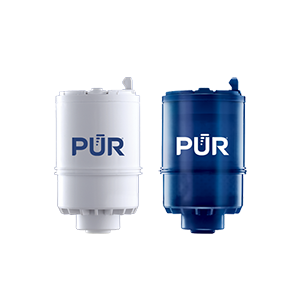
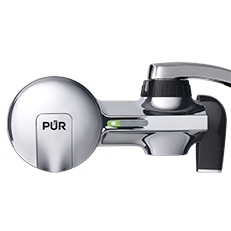
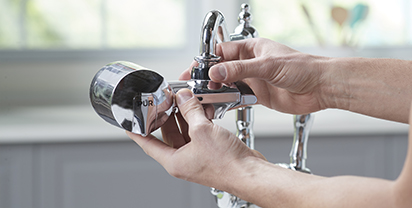
PUR & PUR PLUS FAUCET FILTERS
RF3375/RF9999

View Filters

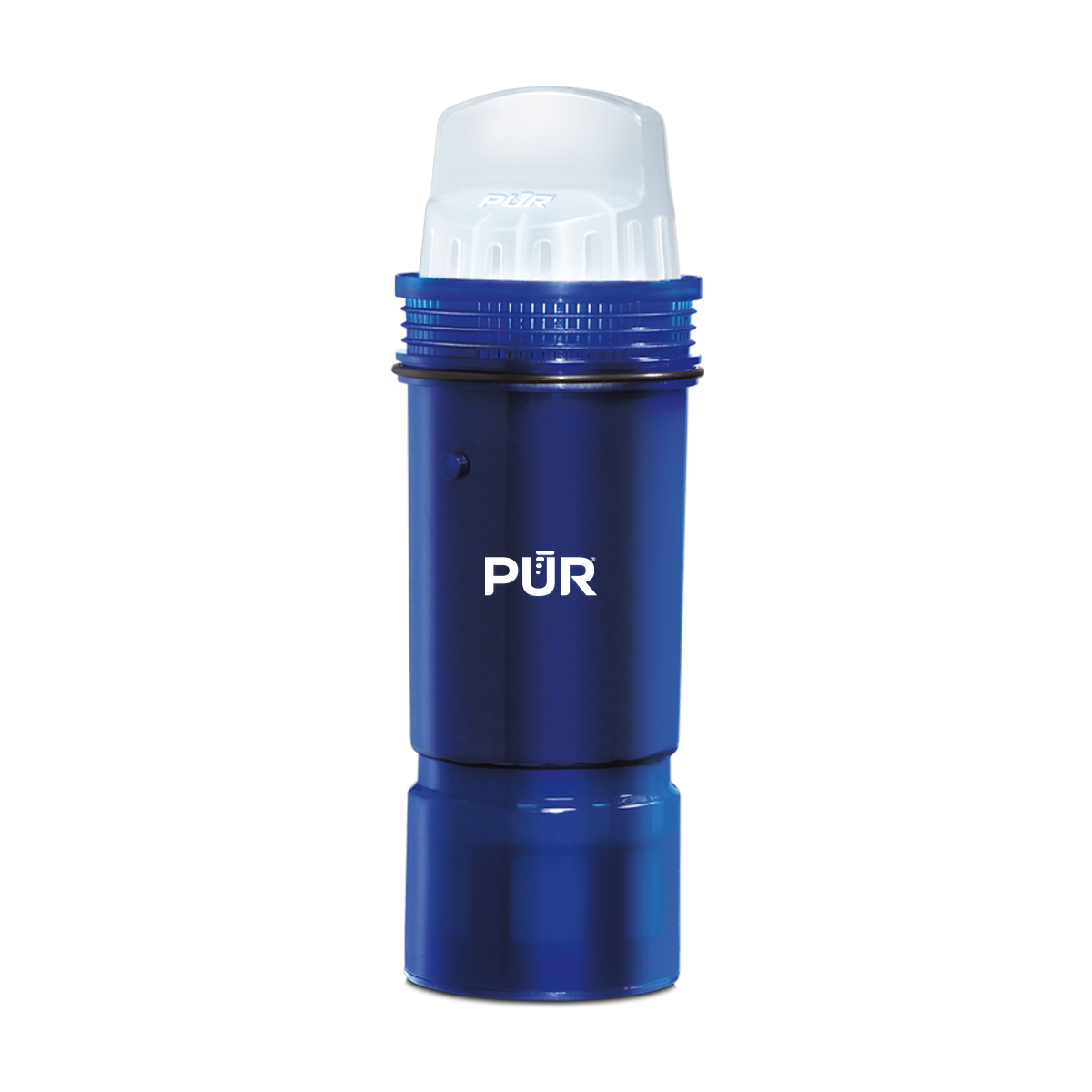
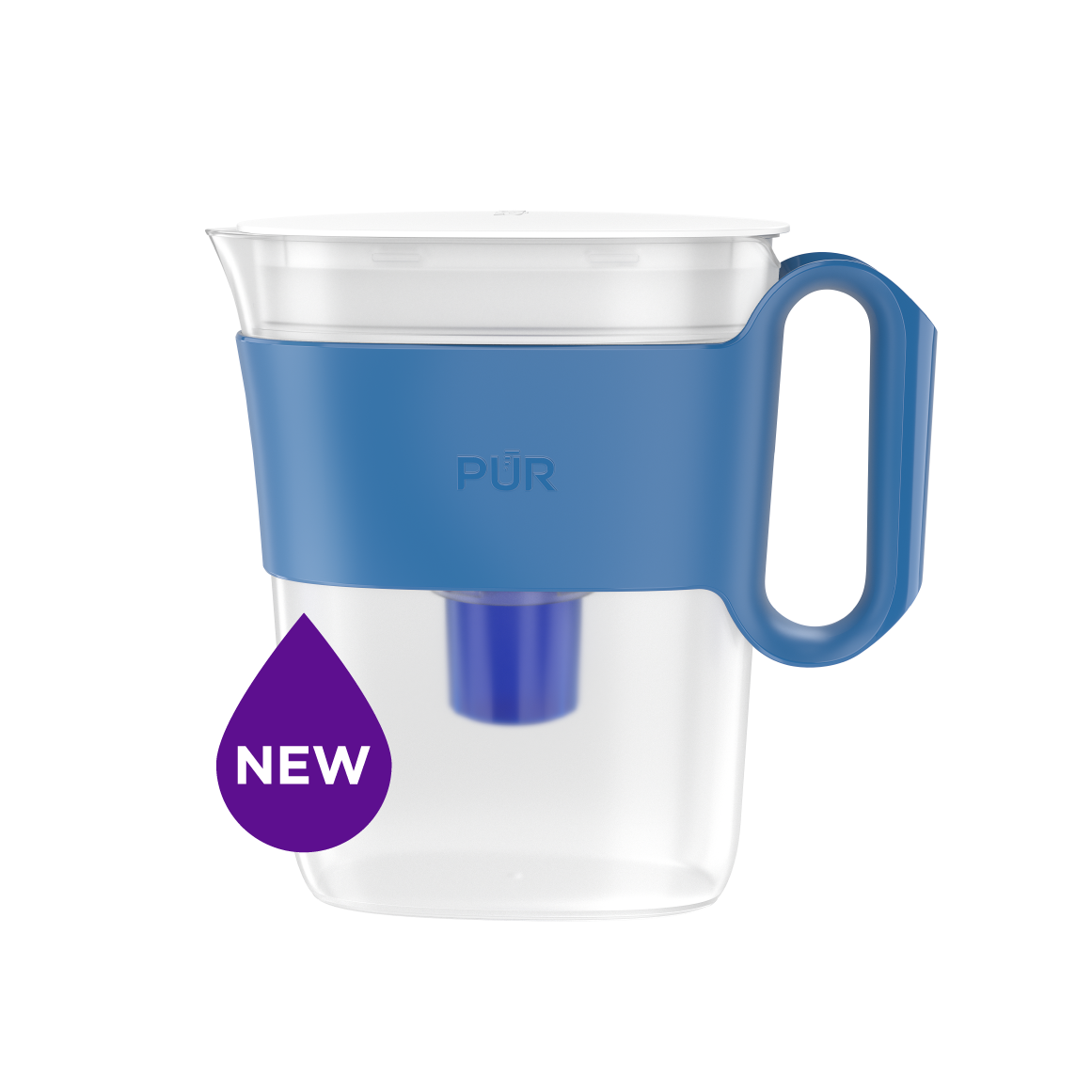
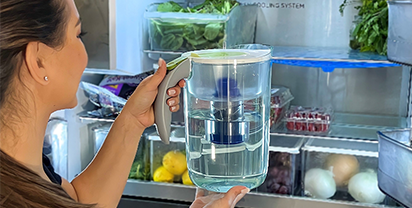
PUR PLUS PITCHER FILTERS
PPF951K

View Filter

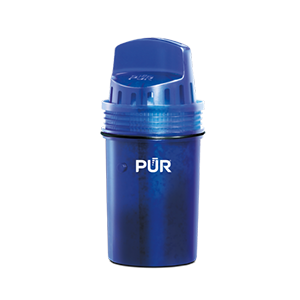
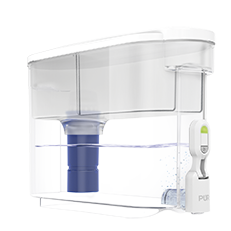
PUR BASIC PITCHER FILTERS
PPF900Z

View Filter


Vs. Brita*

Lead ✓ ✓
Microplastics ✓ ✓
Mercury ✓ ✓ ✓
Chlorine Taste & Odor ✓ ✓ ✓
DEET ✓
TTHM ✓

PUR’s Filtration Systems Are Certified By NSF And WQA For Their Contamination Reduction. WQA certifications as of 5/27/21 for Faucet filter models RF-3375 and RF-9999.

¹ Certified to reduce 10X more chemical and physical substances than Brita’s® leading pitcher filter.
² Certified to reduce 3X more chemical and physical substances than Brita’s® leading pitcher filter.
³ Certified to reduce 2X more chemical and physical substances than Brita’s® leading pitcher filter.
*Versus best-selling Brita® pitcher filter OB03. Brita® is a trademark of Brita LP.
**Like other leading brands, PUR does not filter microbes. As of 3/1/23 Brita® and ZeroWater® were not certified to filter microbes. Brita® is a trademark of Brita LP. ZeroWater® is a trademark of Zero Technologies, LLC..
 

PUR & PUR PLUS FAUCET FILTERS


PUR & PUR PLUS FAUCET FILTERS
RF3375/RF9999

View Filters


Vs. Brita*

Lead ✓
Microplastics ✓
Mercury ✓
Chlorine Taste & Odor ✓
DEET ✓
TTHM ✓

PUR’s Filtration Systems Are Certified By NSF And WQA For Their Contamination Reduction. WQA certifications as of 5/27/21 for Faucet filter models RF-3375 and RF-9999.

¹ Certified to reduce 10X more chemical and physical substances than Brita’s® leading pitcher filter.
² Certified to reduce 3X more chemical and physical substances than Brita’s® leading pitcher filter.
³ Certified to reduce 2X more chemical and physical substances than Brita’s® leading pitcher filter.
*Versus best-selling Brita® pitcher filter OB03. Brita® is a trademark of Brita LP.
**Like other leading brands, PUR does not filter microbes. As of 3/1/23 Brita® and ZeroWater® were not certified to filter microbes. Brita® is a trademark of Brita LP. ZeroWater® is a trademark of Zero Technologies, LLC..
 

PUR PLUS PITCHER FILTERS


PUR PLUS PITCHER FILTERS
PPF951K

View Filter


Vs. Brita*

Lead ✓
Microplastics ✓
Mercury ✓
Chlorine Taste & Odor ✓
DEET
TTHM

PUR’s Filtration Systems Are Certified By NSF And WQA For Their Contamination Reduction. WQA certifications as of 5/27/21 for Faucet filter models RF-3375 and RF-9999.

¹ Certified to reduce 10X more chemical and physical substances than Brita’s® leading pitcher filter.
² Certified to reduce 3X more chemical and physical substances than Brita’s® leading pitcher filter.
³ Certified to reduce 2X more chemical and physical substances than Brita’s® leading pitcher filter.
*Versus best-selling Brita® pitcher filter OB03. Brita® is a trademark of Brita LP.
**Like other leading brands, PUR does not filter microbes. As of 3/1/23 Brita® and ZeroWater® were not certified to filter microbes. Brita® is a trademark of Brita LP. ZeroWater® is a trademark of Zero Technologies, LLC..
 

PUR BASIC PITCHER FILTERS


PUR BASIC PITCHER FILTERS
PPF900Z

View Filter


Vs. Brita*

Lead
Microplastics
Mercury ✓
Chlorine Taste & Odor ✓
DEET
TTHM

PUR’s Filtration Systems Are Certified By NSF And WQA For Their Contamination Reduction. WQA certifications as of 5/27/21 for Faucet filter models RF-3375 and RF-9999.

¹ Certified to reduce 10X more chemical and physical substances than Brita’s® leading pitcher filter.
² Certified to reduce 3X more chemical and physical substances than Brita’s® leading pitcher filter.
³ Certified to reduce 2X more chemical and physical substances than Brita’s® leading pitcher filter.
*Versus best-selling Brita® pitcher filter OB03. Brita® is a trademark of Brita LP.
**Like other leading brands, PUR does not filter microbes. As of 3/1/23 Brita® and ZeroWater® were not certified to filter microbes. Brita® is a trademark of Brita LP. ZeroWater® is a trademark of Zero Technologies, LLC..
 

Why Choose a Whole House Water Filter?

A whole-house water filter treats water as it enters your home, before it reaches kitchen taps, showers, and appliances. That can reduce certain unwanted substances throughout the plumbing, rather than at just one drinking-water faucet. But no single filter removes everything. Sediment cartridges, activated carbon, and specialty media serve different purposes. The right choice depends on your water source and test results, not a broad promise on a product label. Testing matters. A municipal water report can flag common concerns. A certified well test may reveal specific contaminants. Use the findings to compare systems and relevant certifications.

The appeal is convenience: one treatment point can serve several outlets and may help protect fixtures from visible sediment. However, performance depends on correct sizing, installation, water pressure, and timely cartridge changes. Neglected filters can clog or lose effectiveness. Check replacement costs and maintenance instructions before buying. Some systems need plumbing changes, while certain contaminants require a different treatment method. The choice is not always obvious, and I would not pretend otherwise. A house water filter is most useful when its purpose is clear, its claims are verifiable, and its upkeep fits the household. Choose for a reason. Not just reassurance. When test results or installation needs are unclear, consult a qualified water-treatment professional. At best, the right system turns water concerns into a practical, maintainable plan.

Why Choose a Whole House Water Filter?

What a Whole House Water Filter Is and How It Works

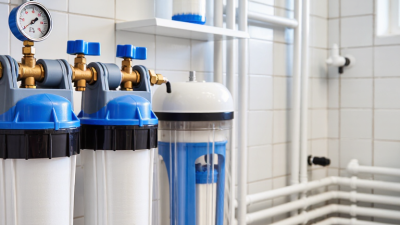
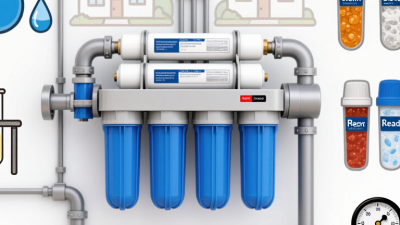
A whole-house water filter treats water where it enters the home, usually on the main supply line after the shutoff valve. Instead of filtering only drinking water at one tap, it can reduce selected particles or chemicals before water reaches showers, laundry machines, and faucets.

What it removes depends on the filter media. A sediment cartridge can catch grit and rust flakes; activated carbon can reduce chlorine taste and odor. Some systems combine several stages.

Not every filter removes dissolved minerals or microorganisms, so “whole-house” does not mean “removes everything.”

Water passes through the filter housing under normal household pressure, then travels through the plumbing. A technician or careful homeowner should check the flow rate and connection size, since an undersized unit may reduce pressure when several taps run.

A water test helps identify what needs treatment; clear water can still contain unwanted substances. That matters. Cartridges also need replacement on schedule, though cloudy source water may clog them sooner.

I’ve seen maintenance get overlooked when the water looks fine. That is an easy mistake.

Choose media suited to the specific concern, and follow the manufacturer’s instructions for servicing and disposal.

Which Water Contaminants It Can Reduce

Why Choose a Whole House Water Filter?

Which Water Contaminants It Can Reduce

A whole-house filter treats water as it enters your home, so treated water reaches taps, showers, and laundry. What it reduces depends on the filter media and its verified performance. Sediment cartridges can trap grit and rust particles. Activated carbon may reduce chlorine taste and odor, plus certain volatile organic compounds. Some systems are designed to reduce lead or PFAS, but those claims require product-specific evidence. The details matter.

The USGS’s 2023 national tap-water study estimated that at least 45% of U.S. tap water contains one or more PFAS. That finding describes how often PFAS may occur; it does not mean every filter removes them. EPA’s 2024 PFAS drinking-water rule set limits for six PFAS, making tested reduction claims especially relevant.

Look for independent certification and check which contaminants it covers: NSF/ANSI 42 addresses aesthetic effects, while NSF/ANSI 53 and 401 cover specified health-related and emerging contaminants. A certification is not a promise to remove everything. I would not judge performance by clear-looking water alone. Replace cartridges on schedule, and check whether your home’s water test or utility report points to a specific concern.

How Whole House Filtration Affects Water Throughout the Home

Why Choose a Whole House Water Filter?

How Whole House Filtration Affects Water Throughout the Home

Water enters through one main line, then travels to kitchen taps, showers, and laundry. A whole-house filter treats it at that entry point, so treatment can reach multiple fixtures. Depending on its media and verified performance, it may reduce sediment or chlorine taste and odor. The effect varies by contaminant. That matters daily. USGS’s 2023 national assessment estimated that at least one PFAS may be present in about 45% of U.S. tap water. This estimate is not a finding about every home, but it shows why testing and targeted treatment matter.

A filter is not a magic wall. It only reduces contaminants it is designed and certified to address. Look for independent certification for the specific reduction claim, and remember that lead can enter water from plumbing after it passes through a whole-house unit. Point-of-use treatment or plumbing repairs may be needed in that case. Real homes are messy systems; filter performance also depends on correct installation and upkeep.

Tips: Test your water, or review your utility’s water-quality report. Match the results to a certified system, then follow its maintenance schedule. Retest when conditions change.

Key Benefits of Choosing a Whole House Water Filter

A whole-house water filter treats water where it enters your home, so filtered water can reach kitchen taps, showers, and laundry fixtures. The exact results depend on the filter media and your water quality. A sediment filter may catch grit that collects in an aerator, while activated carbon can reduce chlorine taste and odor when the system is designed for that purpose. Clear water is not always clean water, though.

One benefit is broader coverage. You do not need a separate small filter at every tap, and showers may smell less like a swimming pool when chlorine is reduced. Washing machines and plumbing fixtures may also receive less sediment. The effect can be modest. A filter does not automatically remove every contaminant, and it will not soften hard water unless it includes suitable treatment.

Good choices start with testing your water and checking the filter’s rated capabilities. Look at flow rate, replacement schedules, and whether cartridges are easy to access. A clogged filter can reduce water pressure. That matters. Keep a simple record of changes, and pay attention if the water’s taste or flow shifts. Even a well-chosen system needs maintenance, and no single setup fits every home.

Why Choose a Whole House Water Filter? — Key Benefits

Benefit or Consideration How It Works Where You May Notice It Important Limitation
Water treatment at the point of entry A whole-house system is installed where water enters the home and treats water distributed through the plumbing. Kitchen and bathroom taps, showers, laundry, and other connected outlets. Performance depends on the system design, installation, and the contaminants present in the incoming water.
Reduction of selected sediment A sediment-filter stage can capture particles such as sand, rust flakes, and other suspended material, depending on its rating. May help reduce visible particles and protect downstream equipment from sediment buildup. It does not remove dissolved substances such as salts, and filter ratings vary between systems.
Reduction of chlorine taste and odor Activated carbon media can reduce chlorine in water when the filter is designed and certified for that purpose. Water used for drinking, cooking, bathing, and laundry may have less chlorine taste or odor. Not every carbon filter removes every contaminant. Check the specific performance claims and certification.
Treatment at multiple outlets Because treatment occurs before water reaches the household plumbing, one system can serve several outlets. Useful when treatment is desired at more than one tap or water-using appliance. Some contaminants may require a separate point-of-use filter, such as a drinking-water system at a kitchen tap.
Potential reduction in scale with the right system A water softener or another suitable treatment method can address hardness minerals when water testing confirms they are present. May help reduce mineral scale on fixtures and water-using appliances. A standard sediment or carbon filter does not soften water. Treatment choice should be based on a hardness test.
Centralized maintenance Filter cartridges or media are serviced at the main system rather than at every outlet. Can make routine household water treatment easier to manage. Service intervals depend on water quality, system capacity, and manufacturer instructions; neglected filters can lose effectiveness.
Water-quality needs can be targeted Testing helps identify which treatment stages are appropriate for the home’s source water. Supports a system choice based on measured concerns rather than a general-purpose claim. No single filter removes all contaminants. Verify reduction claims against independent certification and test results.

Note: Water quality varies by location and source. Test the water and select equipment certified for the specific contaminants you want to reduce. Follow the system’s installation and maintenance instructions.

Factors to Consider Before Selecting a System

A whole-house filter treats water as it enters the home, but the right system depends on what is actually in that water. Start with a recent utility water report or a laboratory test, especially for a private well. Look for specific concerns, such as sediment, chlorine taste, iron staining, or a sulfur-like odor. No single filter removes everything. A test can prevent paying for treatment you may not need.

Match the filter media to the test results. Sediment cartridges catch visible particles, while activated carbon can reduce chlorine and some odors. Hardness usually calls for a water softener, not a standard carbon filter. It is easy to overbuy. A long list of claimed benefits can sound reassuring, yet may not address your main concern. Check independent performance certifications and the exact contaminants covered.

Consider flow rate, plumbing size, and household demand. A system that is too small may lower pressure when showers and laundry run together. Check cartridge life, replacement cost, and whether parts are easy to access. Some treatment systems also need a drain or electricity. Measure the installation space, including room to change filters. A cramped utility closet can make routine maintenance harder than expected. Whole-house treatment may also leave a drinking-water concern that needs separate testing or treatment at the tap.

Why Choose a Whole House Water Filter?

Household Water Use: A Factor in Choosing System Capacity

Indoor water use helps explain why whole-house systems need to be sized for household demand. These U.S. averages are context, not a substitute for checking your home’s peak flow rate and testing its water before selecting a filter.

Source: U.S. Environmental Protection Agency, WaterSense. Percentages are estimates of typical indoor residential water use.