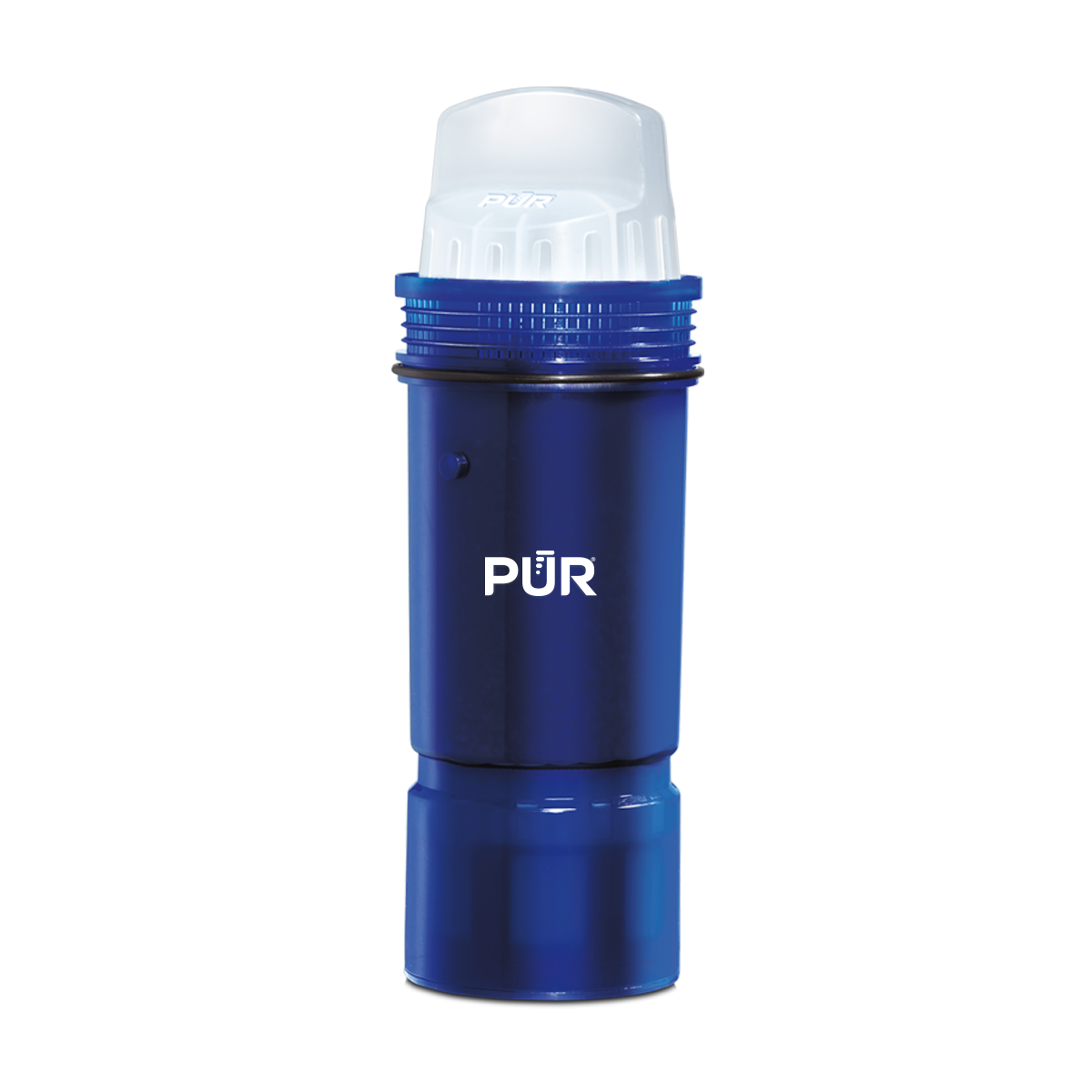
Contaminant Comparison Chart

For a complete list of contaminants that PUR filters reduce, please view our Performance Data Sheets here.


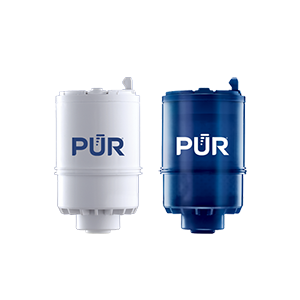
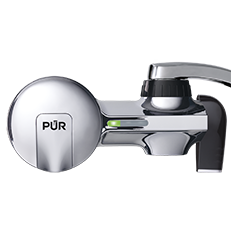
PUR & PUR PLUS FAUCET FILTERS
RF3375/RF9999

View Filters

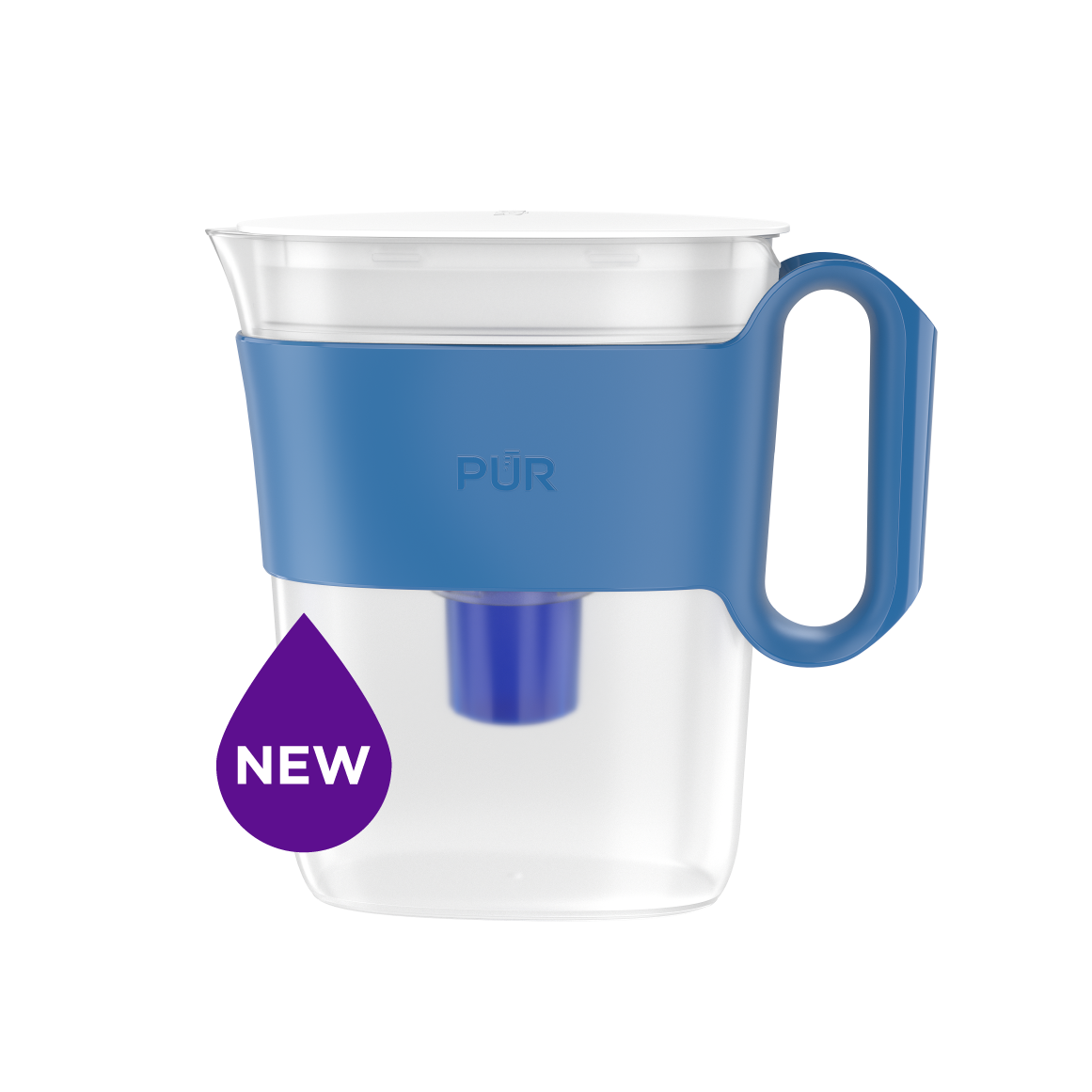
PUR PLUS PITCHER FILTERS
PPF951K

View Filter

PUR BASIC PITCHER FILTERS
PPF900Z

View Filter


Vs. Brita*

Lead ✓ ✓
Microplastics ✓ ✓
Mercury ✓ ✓ ✓
Chlorine Taste & Odor ✓ ✓ ✓
DEET ✓
TTHM ✓

PUR’s Filtration Systems Are Certified By NSF And WQA For Their Contamination Reduction. WQA certifications as of 5/27/21 for Faucet filter models RF-3375 and RF-9999.

¹ Certified to reduce 10X more chemical and physical substances than Brita’s® leading pitcher filter.
² Certified to reduce 3X more chemical and physical substances than Brita’s® leading pitcher filter.
³ Certified to reduce 2X more chemical and physical substances than Brita’s® leading pitcher filter.
*Versus best-selling Brita® pitcher filter OB03. Brita® is a trademark of Brita LP.
**Like other leading brands, PUR does not filter microbes. As of 3/1/23 Brita® and ZeroWater® were not certified to filter microbes. Brita® is a trademark of Brita LP. ZeroWater® is a trademark of Zero Technologies, LLC..
 

PUR & PUR PLUS FAUCET FILTERS


PUR & PUR PLUS FAUCET FILTERS
RF3375/RF9999

View Filters


Vs. Brita*

Lead ✓
Microplastics ✓
Mercury ✓
Chlorine Taste & Odor ✓
DEET ✓
TTHM ✓

PUR’s Filtration Systems Are Certified By NSF And WQA For Their Contamination Reduction. WQA certifications as of 5/27/21 for Faucet filter models RF-3375 and RF-9999.

¹ Certified to reduce 10X more chemical and physical substances than Brita’s® leading pitcher filter.
² Certified to reduce 3X more chemical and physical substances than Brita’s® leading pitcher filter.
³ Certified to reduce 2X more chemical and physical substances than Brita’s® leading pitcher filter.
*Versus best-selling Brita® pitcher filter OB03. Brita® is a trademark of Brita LP.
**Like other leading brands, PUR does not filter microbes. As of 3/1/23 Brita® and ZeroWater® were not certified to filter microbes. Brita® is a trademark of Brita LP. ZeroWater® is a trademark of Zero Technologies, LLC..
 

PUR PLUS PITCHER FILTERS


PUR PLUS PITCHER FILTERS
PPF951K

View Filter


Vs. Brita*

Lead ✓
Microplastics ✓
Mercury ✓
Chlorine Taste & Odor ✓
DEET
TTHM

PUR’s Filtration Systems Are Certified By NSF And WQA For Their Contamination Reduction. WQA certifications as of 5/27/21 for Faucet filter models RF-3375 and RF-9999.

¹ Certified to reduce 10X more chemical and physical substances than Brita’s® leading pitcher filter.
² Certified to reduce 3X more chemical and physical substances than Brita’s® leading pitcher filter.
³ Certified to reduce 2X more chemical and physical substances than Brita’s® leading pitcher filter.
*Versus best-selling Brita® pitcher filter OB03. Brita® is a trademark of Brita LP.
**Like other leading brands, PUR does not filter microbes. As of 3/1/23 Brita® and ZeroWater® were not certified to filter microbes. Brita® is a trademark of Brita LP. ZeroWater® is a trademark of Zero Technologies, LLC..
 

PUR BASIC PITCHER FILTERS


PUR BASIC PITCHER FILTERS
PPF900Z

View Filter


Vs. Brita*

Lead
Microplastics
Mercury ✓
Chlorine Taste & Odor ✓
DEET
TTHM

PUR’s Filtration Systems Are Certified By NSF And WQA For Their Contamination Reduction. WQA certifications as of 5/27/21 for Faucet filter models RF-3375 and RF-9999.

¹ Certified to reduce 10X more chemical and physical substances than Brita’s® leading pitcher filter.
² Certified to reduce 3X more chemical and physical substances than Brita’s® leading pitcher filter.
³ Certified to reduce 2X more chemical and physical substances than Brita’s® leading pitcher filter.
*Versus best-selling Brita® pitcher filter OB03. Brita® is a trademark of Brita LP.
**Like other leading brands, PUR does not filter microbes. As of 3/1/23 Brita® and ZeroWater® were not certified to filter microbes. Brita® is a trademark of Brita LP. ZeroWater® is a trademark of Zero Technologies, LLC..
 

How to Choose a House Water Filter in 2026?

Choosing a house water filter in 2026 requires more than comparing prices and glowing product reviews. Water quality varies by location, plumbing, household size, and daily consumption. A filter that works well in a city apartment may struggle in a rural home with hard water or private-well contamination.

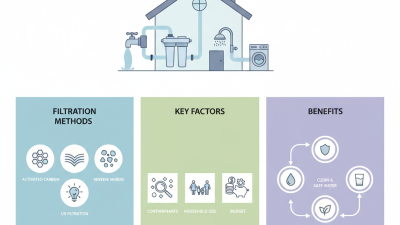
This guide examines the decisions that matter before purchase. It considers sediment, chlorine, lead, PFAS, bacteria, minerals, and unpleasant odors. Each concern needs a different treatment method. Activated carbon can improve taste, while reverse osmosis may reduce several dissolved contaminants. Ultraviolet systems can address microorganisms, but they do not remove chemicals.

Read the label carefully.

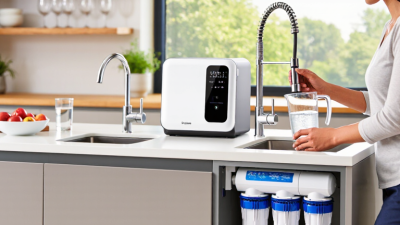
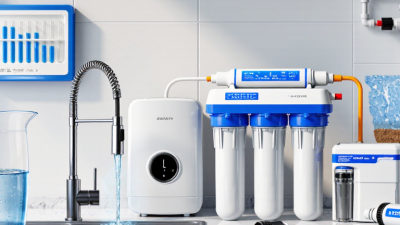
Reliable choices begin with evidence. Check your local water quality report, arrange independent testing when necessary, and compare claims with recognized NSF/ANSI certifications. Flow rate, replacement cost, installation space, and filter lifespan also deserve attention. A compact countertop unit may suit renters, while a whole-house system can protect showers, laundry, and kitchen taps.

No filter is perfect.

Real-world performance depends on maintenance. A neglected cartridge can reduce pressure and create hygiene concerns. I also admit that product comparisons can oversimplify household needs; laboratory results may not match every home’s water conditions. This article therefore encourages practical verification, not blind trust. By examining performance, certification, upkeep, and long-term value, you can choose a house water filter with greater confidence in 2026.

How to Choose a House Water Filter in 2026?

Define Your Water Quality and Filtration Goals

Before choosing a house water filter in 2026, define the problem you are trying to solve. Water can look clear and still contain lead, nitrates, microorganisms, or PFAS. The WHO and UNICEF Joint Monitoring Programme reported that 2.2 billion people lacked safely managed drinking water in 2022. That figure concerns global access, not every household, but it shows why appearance is not enough.

Start with a recent water-quality report from your utility or a certified laboratory test. Check for hardness, chlorine, lead, nitrates, bacteria, and PFAS where local risks justify testing. Older plumbing deserves special attention. A metallic taste near the kitchen tap may suggest corrosion, while white scale on a kettle points more toward hardness. These clues help, but they are not proof. A single test is not a complete story.

Match the filter to a measurable goal. If the concern is drinking water, a point-of-use system may be more practical than treating every shower. Whole-house filtration makes more sense when sediment, strong odor, or skin irritation affects several outlets. The U.S. Environmental Protection Agency’s 2024 PFAS rule sets limits of 4 nanograms per liter for PFOA and PFOS in public drinking water. That small number shows why ordinary taste tests cannot confirm safety. Read the test method, replacement interval, and certified contaminant claims carefully. It is easy to overtrust a polished product sheet. Many households also underestimate maintenance; a neglected cartridge can reduce performance instead of improving it.

How to Choose a House Water Filter in 2026? - Define Your Water Quality and Filtration Goals

Water Quality and Filtration Goal Planning Table
Decision Dimension What to Check Useful Data or Trigger Suitable Filtration Goal Common Technology Options Important Limitations
Water Source Identify whether the home receives treated municipal water, private well water, rainwater, or another supply. Obtain the latest public water-quality report for municipal water, or arrange laboratory testing for a private source. Match the filter to contaminants actually present rather than selecting a system by general claims. Point-of-entry filtrationPoint-of-use filtrationWell-water treatment Water quality can vary by season, plumbing condition, neighborhood, and well depth.
Microbiological Safety Check for bacteria, viruses, parasites, and indicators of contamination, especially in private wells or untreated sources. Use a certified laboratory test. A positive total-coliform or E. coli result requires prompt investigation and appropriate disinfection. Reduce or eliminate microbial hazards before using water for drinking or food preparation. UltrafiltrationUltraviolet treatmentReverse osmosisDisinfection Standard carbon filters are not a reliable disinfection method. Ultraviolet systems require clear water and electricity; they do not remove dissolved chemicals.
Lead and Copper Consider service-line materials, older plumbing, brass fittings, and corrosion conditions. Test first-draw and flushed samples where appropriate. Lead has no known safe level of exposure, particularly for children. Reduce lead and copper at drinking and cooking outlets, while also addressing the source of corrosion. Certified lead-reduction filterReverse osmosisCorrosion control Filter performance depends on certified test conditions and timely cartridge replacement. Boiling water does not remove lead.
Chlorine and Taste Assess disinfectant taste, odor, and possible chlorinated by-products. Consumer complaints about taste or odor are useful screening information, but laboratory analysis is needed for specific by-products. Improve taste and odor while preserving microbiological safety in the distribution system. Activated carbonCatalytic carbon Carbon capacity depends on contact time, flow rate, temperature, and contaminant concentration. It does not generally soften water or remove all dissolved minerals.
Hardness and Scale Measure calcium and magnesium levels and inspect for scale on fixtures, heaters, and appliances. Hardness is commonly reported as mg/L or ppm as calcium carbonate. Water above about 120 mg/L is often classified as hard, although local classifications vary. Reduce scale, soap consumption, and appliance fouling. Ion-exchange softenerTemplate-assisted systems Hardness is not usually a health hazard. A softener is not the same as a drinking-water purifier and may add sodium or potassium.
Iron and Manganese Look for metallic taste, orange or black staining, sediment, and discoloration. Test dissolved and total iron, manganese, pH, turbidity, and sometimes hydrogen sulfide. Prevent staining, taste problems, and deposits while protecting plumbing and fixtures. Oxidation and filtrationSpecialized mediaSediment prefilter Treatment selection depends strongly on concentration, pH, oxidation state, and flow rate. A basic carbon cartridge may clog or become ineffective.
Sediment and Turbidity Check for sand, rust particles, silt, cloudiness, or recurring debris. Measure turbidity and inspect the plumbing, well, storage tank, and pressure system. Protect downstream filters, valves, appliances, and fixtures from particulate loading. Spin-down separatorSediment cartridgeMultimedia filtration Sediment filtration does not remove dissolved salts, most gases, or microbial contamination by itself.
Nitrate and Nitrite Pay particular attention to private wells near agricultural land, septic systems, or areas with known groundwater impacts. Laboratory testing is required. Nitrate risk is especially important for infants fed prepared formula. Reduce nitrate and nitrite to a level appropriate for drinking and food preparation. Reverse osmosisAnion exchangeDistillation Boiling can concentrate nitrate. Treatment performance depends on water chemistry and requires regular monitoring.
Fluoride and Arsenic Check regional geology and the local water report, especially for private wells. Use laboratory testing because these contaminants are typically invisible, odorless, and tasteless. Reduce the specific contaminant at drinking-water outlets. Reverse osmosisActivated aluminaSpecialized adsorption media Removal varies by chemical form, pH, competing ions, and cartridge condition. A general-purpose carbon filter should not be assumed to remove them.
PFAS and Other Emerging Chemicals Review local monitoring information and consider the history of nearby industrial, airport, firefighting, or manufacturing activity. Use a laboratory capable of analyzing the relevant compounds. Results should be compared with current local or national guidance. Reduce specified compounds at the point of drinking and cooking. Certified activated carbonReverse osmosisAnion exchange Removal varies by PFAS type, carbon capacity, flow rate, and contact time. Filters require replacement before breakthrough.
Water Pressure and Flow Confirm household peak flow, pipe size, inlet pressure, and simultaneous use of showers, toilets, and appliances. Whole-house systems must be sized for peak demand, not only average daily consumption. Maintain acceptable pressure while delivering treated water to all intended fixtures. Appropriately sized media tankLow-pressure-drop cartridgeFlow restrictor A filter that is too small can cause pressure loss and rapid clogging. Manufacturer flow ratings are not interchangeable across media types.
Point of Entry vs Point of Use Decide whether treatment is needed throughout the home or only for drinking and cooking. Whole-house treatment is useful for showering, bathing, laundry, and appliances; under-sink treatment concentrates on drinking water. Use the least complex installation that meets the actual exposure and convenience goal. Whole-house systemUnder-sink systemCountertop systemFaucet filter Whole-house systems generally cost more and may require drainage, electricity, space, and professional installation.
Certification and Verification Check whether the complete system is independently certified for the exact contaminant and reduction claim. Look for a recognized certification standard and verify the scope of the claim, rated capacity, flow rate, and replacement interval. Choose performance that has been tested under defined conditions instead of relying only on marketing language. Contaminant-specific certificationPerformance data sheet Certification for one contaminant does not prove removal of every contaminant. “Tested to” and “certified to” are not necessarily equivalent.
Maintenance and Monitoring Plan for cartridge changes, sanitization, salt or media replenishment, UV-lamp replacement, and periodic retesting. Replacement timing should follow measured capacity, flow, manufacturer instructions, or a validated monitoring plan—not appearance alone. Keep treatment performance stable and prevent microbial growth or contaminant breakthrough. Filter-life indicatorPressure gaugeWater testing schedule Neglected filters can restrict flow and may become a source of odors or microbial growth. A filter does not eliminate the need to test private wells.
Wastewater and Energy Compare drain-water production, electricity use, regeneration frequency, and replacement-material requirements. Reverse osmosis can send reject water to the drain; softeners use water during regeneration; UV systems require continuous or standby electricity. Meet water-quality goals with reasonable resource use and manageable operating costs. High-recovery RODemand-initiated regenerationPassive carbon filtration Lower operating impact may require higher upfront cost or more frequent maintenance. Local plumbing rules may affect drain connections.
Final Selection Rule Compare test results, treatment claims, flow requirements, installation conditions, maintenance, and total ownership cost. Choose only the treatment stages that address verified or clearly documented needs. Deliver safe, acceptable, and reliable water without unnecessary complexity. Verified needCorrect sizingDocumented performanceManageable maintenance No single technology removes every contaminant. If contamination is suspected or results are unsafe, use an alternative water supply while obtaining professional advice.
Practical starting point: Review the local water report for municipal supplies or obtain a certified laboratory test for private wells. Define the contaminants, fixtures, flow rate, and maintenance routine before selecting a filtration technology.

Compare House Water Filter Types and Treatment Methods

How to Choose a House Water Filter in 2026?

Choosing a house water filter starts with the water problem, not the product. In practice, a sediment filter can trap sand and rust, but it cannot remove dissolved chemicals. Activated carbon can reduce chlorine, odors, and some organic compounds. Reverse osmosis removes many dissolved solids, including certain metals, but it produces wastewater and needs regular maintenance. Ultraviolet treatment can control microorganisms, yet it does not remove particles or chemicals.

The WHO and UNICEF Joint Monitoring Programme reported that 2.2 billion people lacked safely managed drinking water in 2022. Local testing still matters.

Treatment claims should match recognized standards. NSF/ANSI 42 generally covers aesthetic effects, while NSF/ANSI 53 addresses specific health contaminants. NSF/ANSI 58 applies to reverse-osmosis systems. The U.S. EPA’s 2024 PFAS rule established limits for several PFAS chemicals, so ask for contaminant-specific performance data rather than vague “purification” language.

A softener is different: it reduces hardness, but it does not disinfect water. I have seen households install expensive systems when a simple carbon filter would have solved the taste issue. That mistake is easy to make.

Tips: Test water at the kitchen tap and review your utility’s annual water-quality report. Check flow rate, replacement costs, wastewater volume, and certification details. Replace cartridges on schedule. A filter can become a problem when maintenance is forgotten. Even professional advice has limits, especially with old plumbing, private wells, or changing seasonal water quality.

Match Filter Capacity to Household Size and Water Demand

How to Choose a House Water Filter in 2026?

Household size is only part of the calculation. Daily water demand matters more during busy hours. A family of four may use water for showers, laundry, cooking, and drinking at the same time. A two-person home can also create high demand with frequent guests or irrigation connected to the same supply.

Estimate your peak flow before choosing a filter. Add the likely flow from simultaneous fixtures, then select a unit with a slightly higher rated flow. This helps reduce pressure loss and slow filtration. Check the filter’s capacity in liters or gallons, not only its advertised lifespan. Sediment levels, chlorine, hardness, and local water quality can shorten service intervals.

I once chose a filter based on household size alone. My estimate was too optimistic. The shower pressure dropped whenever the washing machine filled. That experience changed my method. I now review the local water report, measure household usage, and allow extra capacity for unexpected demand. Small homes still need careful planning. A certified laboratory test can support contaminant-removal claims, but testing may not reflect every home’s water conditions. Replace cartridges according to measured performance, pressure changes, and test results rather than a calendar date alone. Keep installation records. They reveal patterns that memory often misses.

Check Installation, Maintenance, and Replacement Requirements

Choosing a house water filter in 2026 requires more than comparing flow rates. Installation conditions matter. Measure cabinet space, pipe diameter, drain access, and water pressure before purchasing. The U.S. EPA reports that household leaks waste nearly one trillion gallons nationwide each year. A loose filter connection can add to that waste. Check shutoff valves and inspect fittings after installation. Keep a towel underneath during the first week.

Maintenance is where many systems fail. The CDC advises replacing cartridges according to the manufacturer’s schedule, even when water still looks clear. Sediment can clog a cartridge silently. Activated carbon can also lose performance before taste changes. Choose certification that matches your concern: NSF/ANSI 42 covers aesthetic issues, while NSF/ANSI 53 addresses specific health contaminants. Reverse-osmosis systems should meet NSF/ANSI 58 requirements. Certification does not cover every contaminant.

Replacement costs deserve attention. Record the installation date on the housing with a marker. Set a calendar reminder, but treat it as an estimate. Heavy sediment, unusual odors, or reduced flow may require earlier service. EPA materials note that ten percent of homes have leaks wasting at least 90 gallons daily. A neglected filter can create similar household waste through pressure loss and repeated flushing. I would inspect the first replacement cartridge closely. It may reveal conditions the water test missed. A perfect maintenance routine is unrealistic, but an ignored filter is worse.

Evaluate Certification, Cost, and Long-Term Value

How to Choose a House Water Filter in 2026?

Certification should match your actual water problem. The 2024 EPA PFAS rule set limits of 4.0 nanograms per liter for PFOA and PFOS. It also set 10 nanograms per liter for several other PFAS compounds. Test your tap water before buying equipment. Then check whether certification covers that specific contaminant.

NSF/ANSI 42 generally addresses taste and odor. NSF/ANSI 53 covers selected health-related contaminants. NSF/ANSI 58 applies to reverse-osmosis systems. A certification logo alone is not enough. Read the performance sheet.

Cost needs a longer view. The Water Research Foundation’s Residential End Uses of Water report found average indoor use near 60 gallons per person daily. A small cartridge may reach its limit quickly in a busy household. Compare purchase price, replacement frequency, water waste, electricity, and installation.

For example, a 40-dollar cartridge replaced twice yearly costs 800 dollars over ten years. That excludes labor. My first estimate was too optimistic.

Look for replacement dates, flow-rate limits, and a readable maintenance record. EPA guidance emphasizes routine testing and proper upkeep for household treatment systems. An unmaintained filter can create false confidence. That is the uncomfortable part. The cheapest system may become expensive when filters are forgotten, pressure drops, or rejected water increases. Choose documented performance over impressive claims.